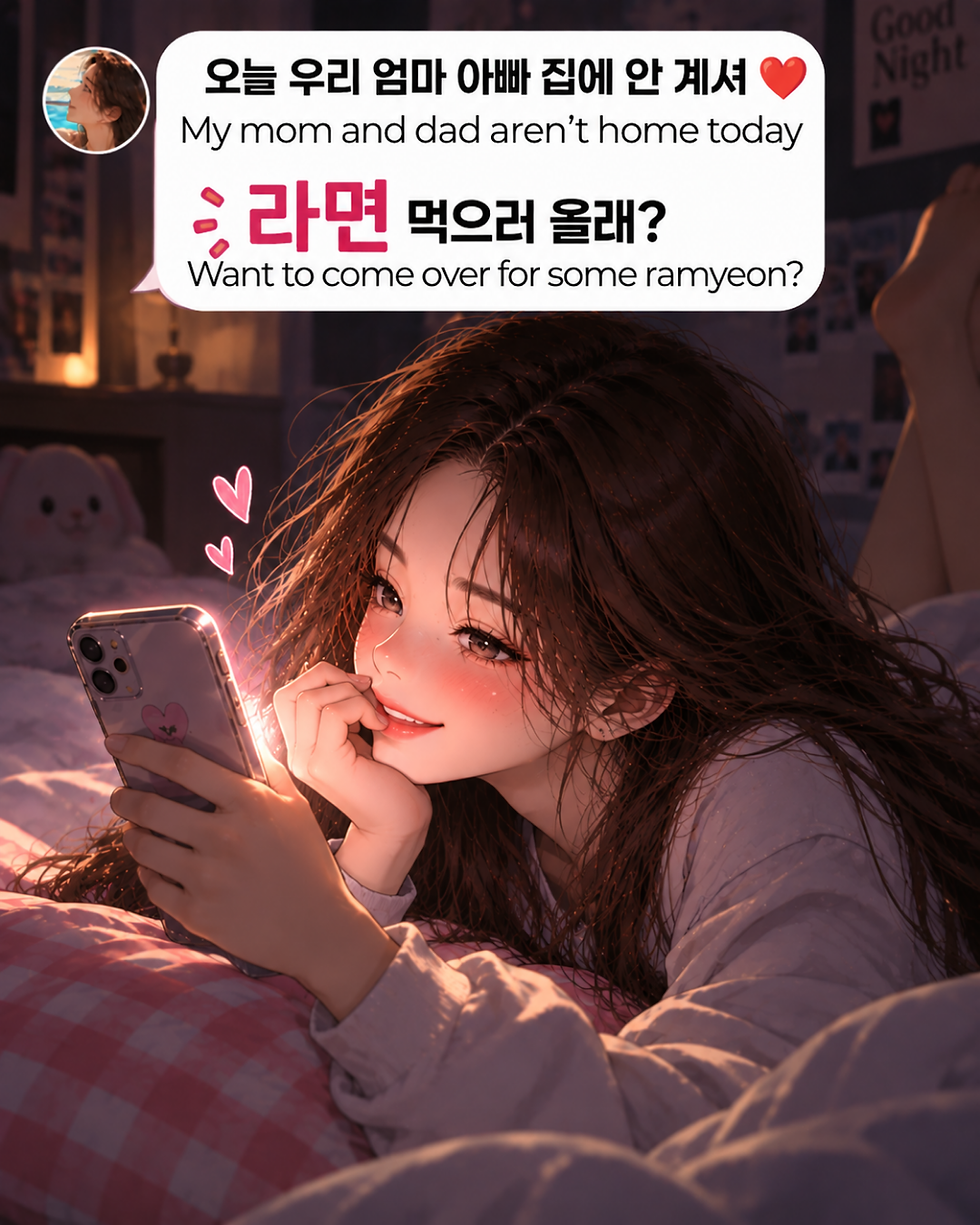
The Meaning of 바람맞다: How to Say “Get Stood Up” in Korean
If someone tells you:
나 바람맞았어.I got stood up.
You might be confused if you already know the Korean word 바람.
After all:
바람 = wind
So... did this person literally get hit by the wind?
Not quite. 😂
바람맞다 is a common Korean expression meaning “to get stood up,” especially when someone fails to show up for a date or meeting as promised.
And there’s an easy—and slightly ridiculous—way to make sure you remember it.


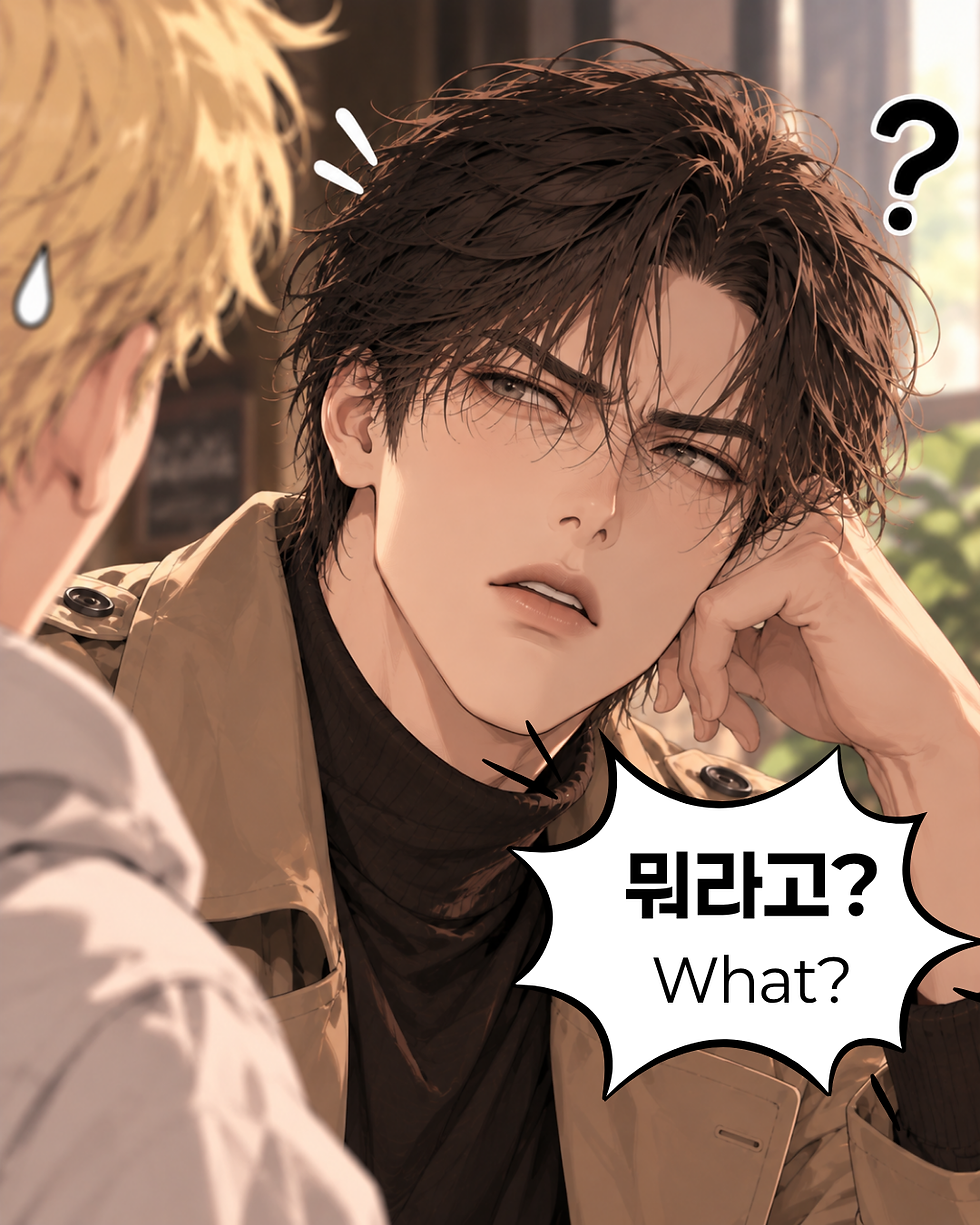


What Does 바람맞다 Mean in Korean?
바람맞다 means “to get stood up” in Korean.
It describes a situation where someone you planned to meet doesn’t show up, leaving you waiting alone.
For example:
어제 소개팅에서 바람맞았어.
I got stood up on a blind date yesterday.
한 시간이나 기다렸는데 결국 바람맞았어.
I waited for an hour, but I ended up getting stood up.
설마 또 바람맞은 거야?
Don’t tell me you got stood up again.
In English, we get stood up.
In Korean, we 바람맞다.
But why is this expression so easy to remember once you visualize it?
The Easiest Way to Remember 바람맞다
The word 바람 means “wind.”
And 맞다 can mean “to be hit” or “to get hit by” something.
So when a Korean learner first encounters 바람맞다, it’s easy to imagine its components literally:
바람 + 맞다 → get hit by the wind
That is not the actual meaning of the expression.
But it gives us a perfect mnemonic.
Imagine this:
You make plans for a date.
You arrive.
You wait.
And wait.
Your date never shows up.
So there you are, standing outside all alone...

Use the image of the lonely man standing outside in the wind.
...getting hit by the wind. 😂💨
And now:
바람맞다 → to get stood up
You could memorize the English definition from a vocabulary list.
Or you could remember this poor guy.
I know which one I’m more likely to remember.

바람맞다 vs. 바람피우다: Don’t Mix Them Up!
There’s another very common Korean expression containing 바람:
바람피우다 = to cheat on a romantic partner / have an affair
This is different from 바람맞다.
Compare:
소개팅에서 바람맞았어.
I got stood up on my blind date.
남자 친구가 바람피웠어.
My boyfriend cheated on me.
So:
바람맞다 → get stood up
바람피우다 → cheat on someone
Mix these up, and your dating story could become considerably more dramatic than you intended. 😂
Why Learn Korean Expressions Through Stories?
You could memorize:
바람맞다 = to get stood up
And maybe you’d remember it tomorrow.
But a story gives a new Korean expression something to attach itself to: a character, situation, image, emotion, and punchline.
The next time you encounter 바람맞다, you’re not just trying to retrieve a definition from a vocabulary list.
You can picture someone waiting alone while the wind blows around him.
That’s why I love teaching Korean expressions through stories and visual associations at ToonToon Korean.

Want to learn Korean through longer stories?
My K-drama-style bilingual novels for Korean learners combine Korean and English with engaging stories designed to make reading Korean more enjoyable.
Don't forget to read free samples!
No Fun, No Learning. ❤️
About the Author
Saehee Um is a Korean language professional, author, and founder of ToonToon Korean. She creates bilingual Korean reading materials and K-drama-style novels that help Korean learners experience vocabulary, expressions, and culture through stories, context, and repeated exposure.